The decision to pick the metal is one of the most important decisions in any fabrication of sheet metal. The material also directly affects the product’s performance and durability, appearance, production cost, and reliability. At ShincoFab, material selection directly influences product performance, durability, appearance, production cost, and long-term reliability. Different metals are available, hence they can easily know how each one of these metals will perform in diverse conditions, and this is significant to ensure that the finished component meets the functional and economic concerns.
Understanding Project Requirements and Applications
The project requirements should be clearly defined before selecting the metal. The first thing engineers and manufacturers would take into account is the intended application of the completed part. This includes operation, loading, and approximate lifetime. Components that are either subject to moisture, chemicals, or high temperatures require high corrosion or heat-resistant materials, whereas structural parts might need greater strength and rigidity.
The industry that is meant to be served by the material also has an impact on material selection. Lightweight and conductivity are the key factors in electronics enclosures, whereas harder metals that are resistant to mechanical strain may be demanded in industrial machinery. With the help of matching the material characteristics and application requirements, manufacturers will be able to prevent overengineering or underperformance.
Mechanical Strength and Formability Considerations
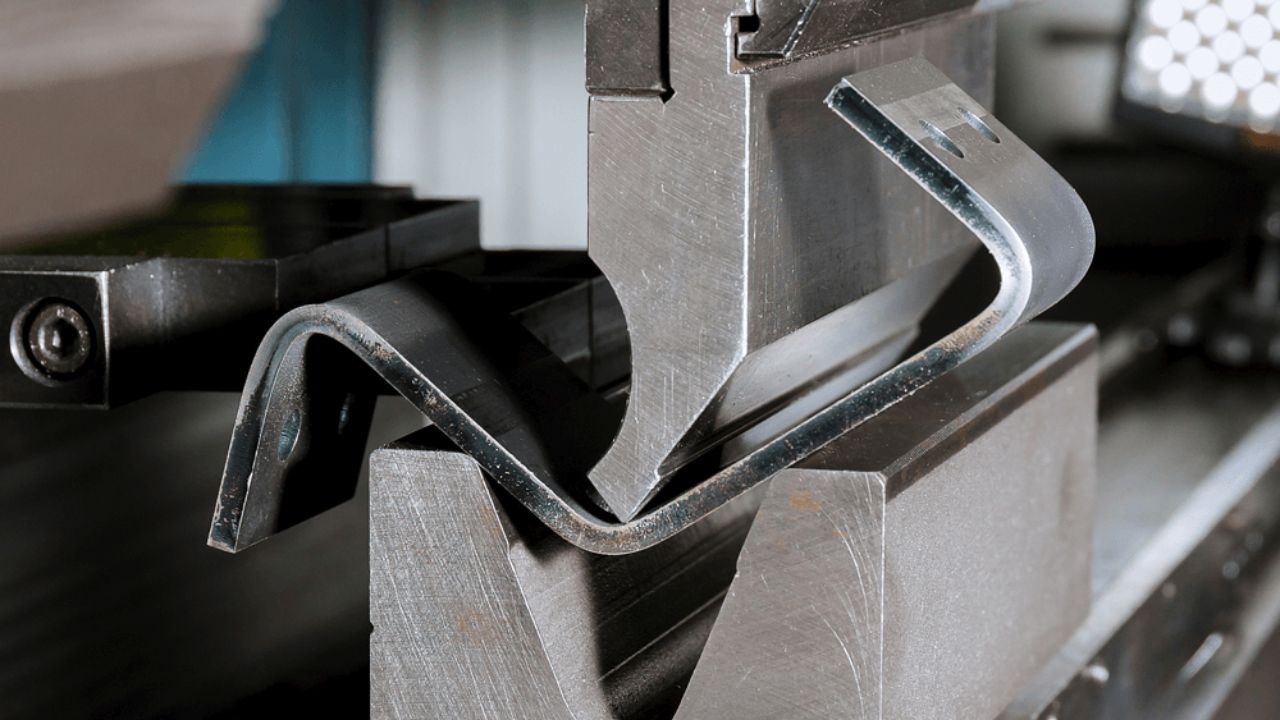
The most important consideration in sheet metal fabrication is mechanical strength, which should be complemented by formability. There are those metals that provide a lot of strength and are harder to bend or shape, and those that are easier to bend but are not as rigid. The bending, stamping, and welding of the fabrication process itself is a stressing factor on the material, and formability is of particular concern.
The aluminum and mild carbon steel are normally preferred in projects that need intricate shapes or narrow bends since they can be worked well. Stainless steel is more durable and stronger, though it might need a more complex tooling and increased forming forces. The selection of metal that allows the design geometry is necessary in order to sustain dimensional accuracy and minimize manufacturing headaches.
Weight, Cost, and Budget Constraints
One of the most important elements of material selection is the weight and the cost. Lightweight metals have the potential to promote lower shipping expenses, enhanced energy consumption, and less complicated installation, but are subject to a greater price of raw materials. Heavy metals tend to be more economical and stronger, but they lead to higher costs of handling and transportation.
Aluminum is also common where weight savings are a factor to consider, particularly in aerospace and automotive uses. Carbon steel is still among the most affordable structural and industrial constituents. Stainless steel is normally more expensive in the short run but has long-term benefits in the form of durability and less maintenance. The consideration of startup costs and life-cycle costs is a method to have the optimal total investment.
Electrical and Thermal Conductivity Requirements
Some sheet metal fabrication is needed to have certain electrical or thermal performance. Copper and aluminum are appreciated on the basis of excellent conductivity and hence would be suitable in the electrical enclosures, heat sinks, and other components that are energy-related. These characteristics assist in controlling heat loss and electricity, which is very important in the safety and efficiency of products.
Copper conductivity is compulsory compared to aluminum, but it is highly costly and heavier than aluminum. Manufacturers usually compare the requirements of their performance with the cost, and hence decide on the most viable option for the application.
Surface Finish and Aesthetic Expectations
The aesthetics of a manufactured piece of metal may be as crucial as its operational functionality. The requirements of surface finish affect the choice of material and the finishing procedures. Other metals are more susceptible to polishing, anodizing, or electroplating, producing a nicer look or more ornamental appearance.
Stainless steel is usually selected for visible parts because of its smooth appearance and professional appearance. The anodizing is supported by aluminum and, thus, it can be made resistant to corrosion and tintable. The variables of the metals to the surface finishing methods make it possible to ensure that the finished product is up to standard design and brand development.
Conclusion
The selection of appropriate metal to be used in a sheet metal fabrication project should consider application requirements, mechanical, environmental exposure, cost, and appearance. When these aspects are considered at an early stage of the design process, manufacturers are able to make use of materials that are able to meet the performance demands, manufacturability, and the budget. The appropriate metal not only enhances the quality and durability of products but also enhances effective production and success in the long run.